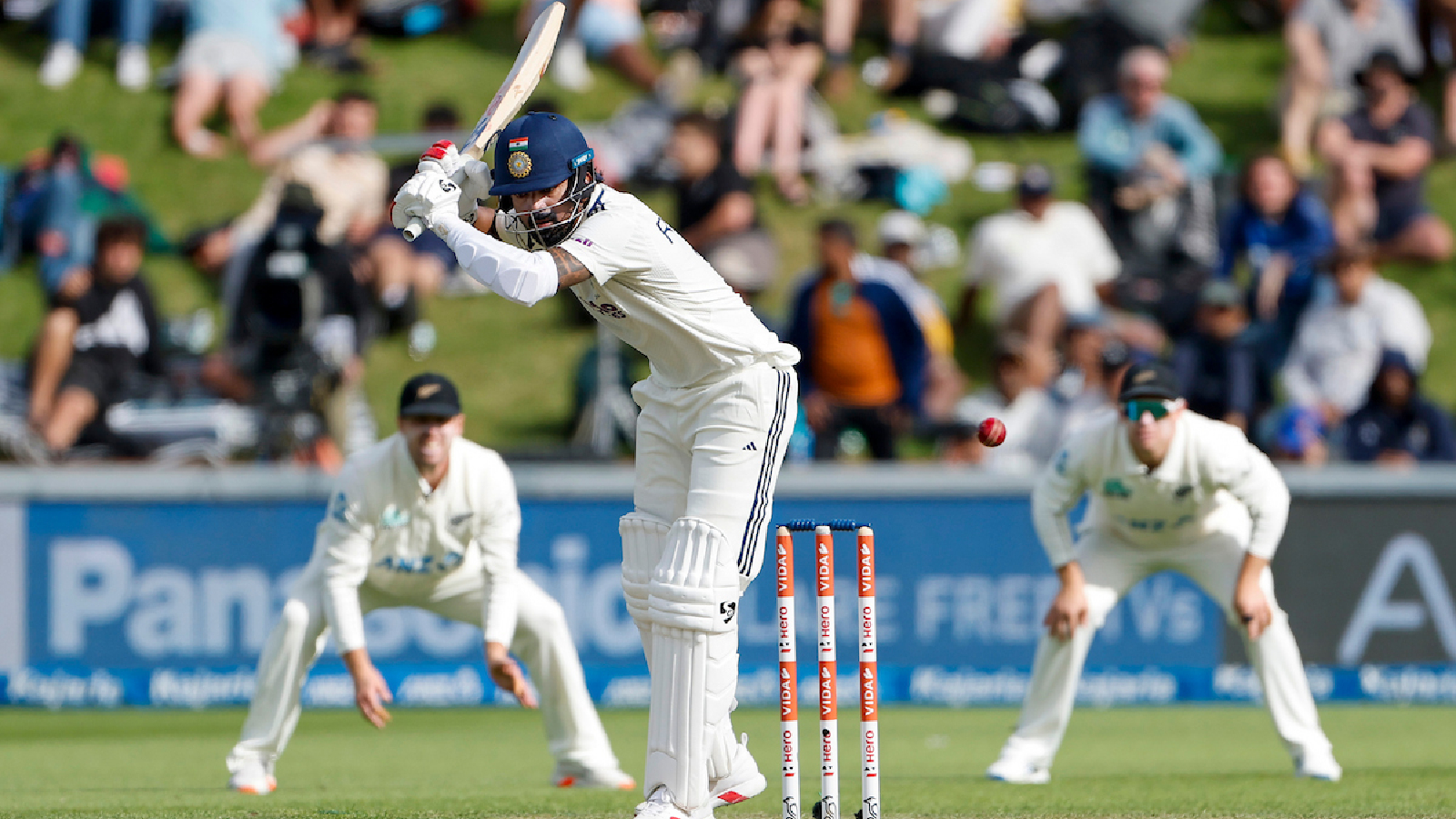
KL Rahul’s Unique Batting Approach
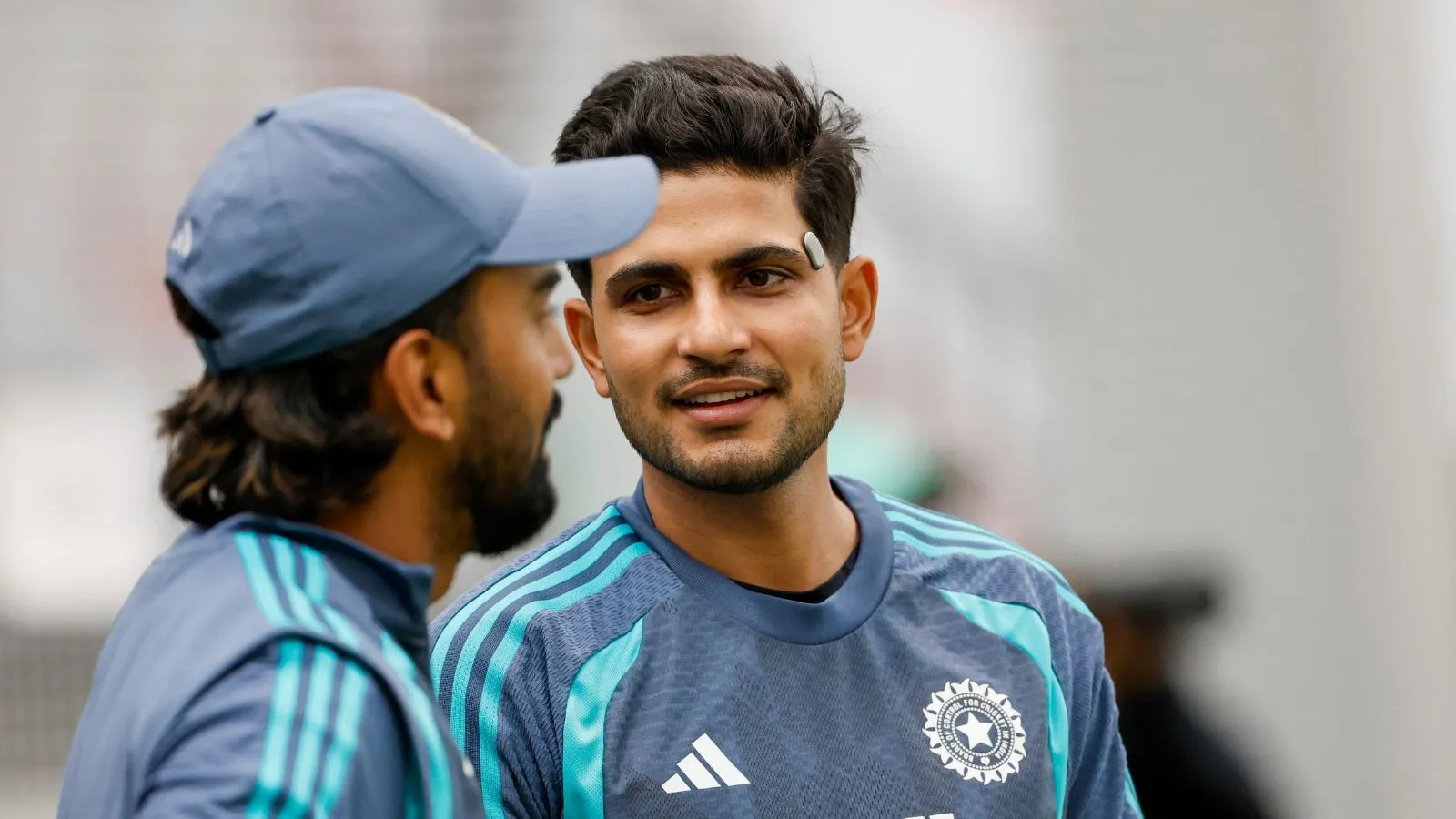
In Wellington, the sound of KL Rahul’s batting was mostly the sound of nothing, as he effectively showcased the art of leaving the ball. At the Basin Reserve on Saturday, spectators could almost visualize his technique even with their eyes closed; the ball whispered past as the bat remained tucked away behind his front leg like a folded umbrella. Unlike the newer batsmen, who are eager to score and keep fans entertained, Rahul embodies a slower, more measured approach.
Recently, the legendary Test opener Sunil Gavaskar demonstrated the technique of leaving the ball while praising Rahul, the last Indian batsman he sees relishing this skill. Interestingly, what Rahul is doing now is considerably challenging. While Gavaskar would undoubtedly lead in comparison, Rahul’s return to this classic skill, after years of adapting to T20 cricket’s demands, is commendable.
Rahul’s ability to let balls pass during the first Test against New Zealand stood out. He displayed a keen sense of judgment, leaning forward, assessing each delivery. Unlike Gavaskar, who would remove the bat from the equation, Rahul prepares to defend but tucks the bat behind his pad when he judges that the ball will not bounce back.
Despite this careful approach, he does not shy away from aggression when needed. In the 63rd over, he launched a six over long-on against Glenn Phillips and executed a reverse sweep just two overs later. Even after being hit on the arm, he persisted, pulling two balls along the ground and then smashing the next ball for six over point. The reinvigorated KL Rahul exhibits a duality: the tenacious batsman emerges when required, while the calm guardian of the crease stays disciplined over the longer format.
Correcting Flaws
Rahul’s journey to mastery wasn’t always smooth. During England’s tour in 2018, he struggled with his judgment on deliveries outside off stump, often stuck in the crease with a skewed batting stance. He fell prey to bowlers like Chris Woakes and Ben Stokes, unable to identify which balls to leave. After being dropped in 2019, he felt his most ineffective and negative.
However, a turning point came when he met with close friend David Mathias, a former bowling allrounder. For about ten days, they practiced in anonymity, emphasizing balance and precision in technique. This practice helped Rahul rectify his flaws.
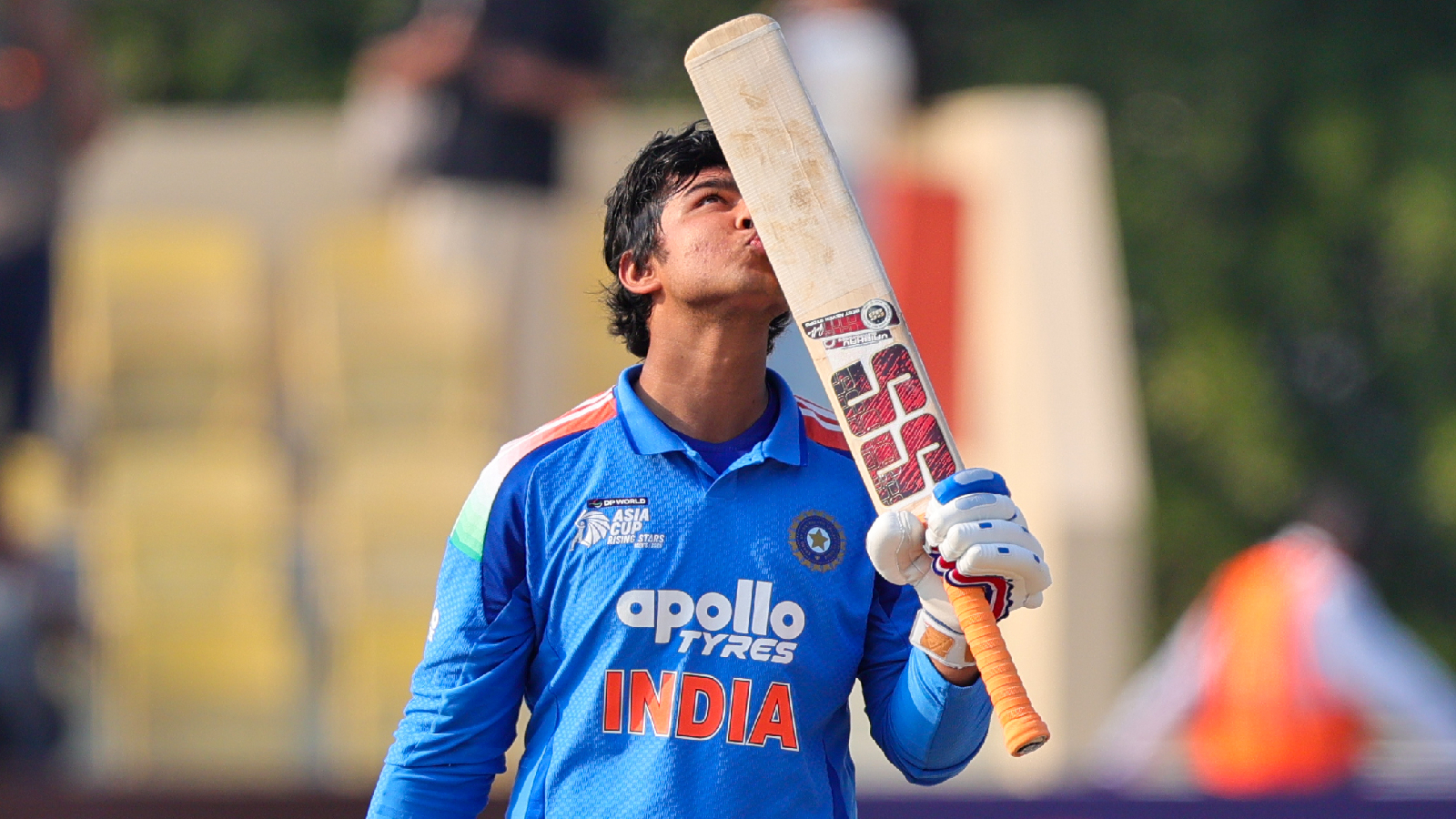
As he adopted a balance-oriented approach, Rahul embraced the philosophy that if he remained steady, he would always have answers to the deliveries he faced. Thus emerged the version of him that was both calm and aggressive throughout the match. His hundred came after 207 balls, marked by a gentle push for a single before he raised his fist in triumph.
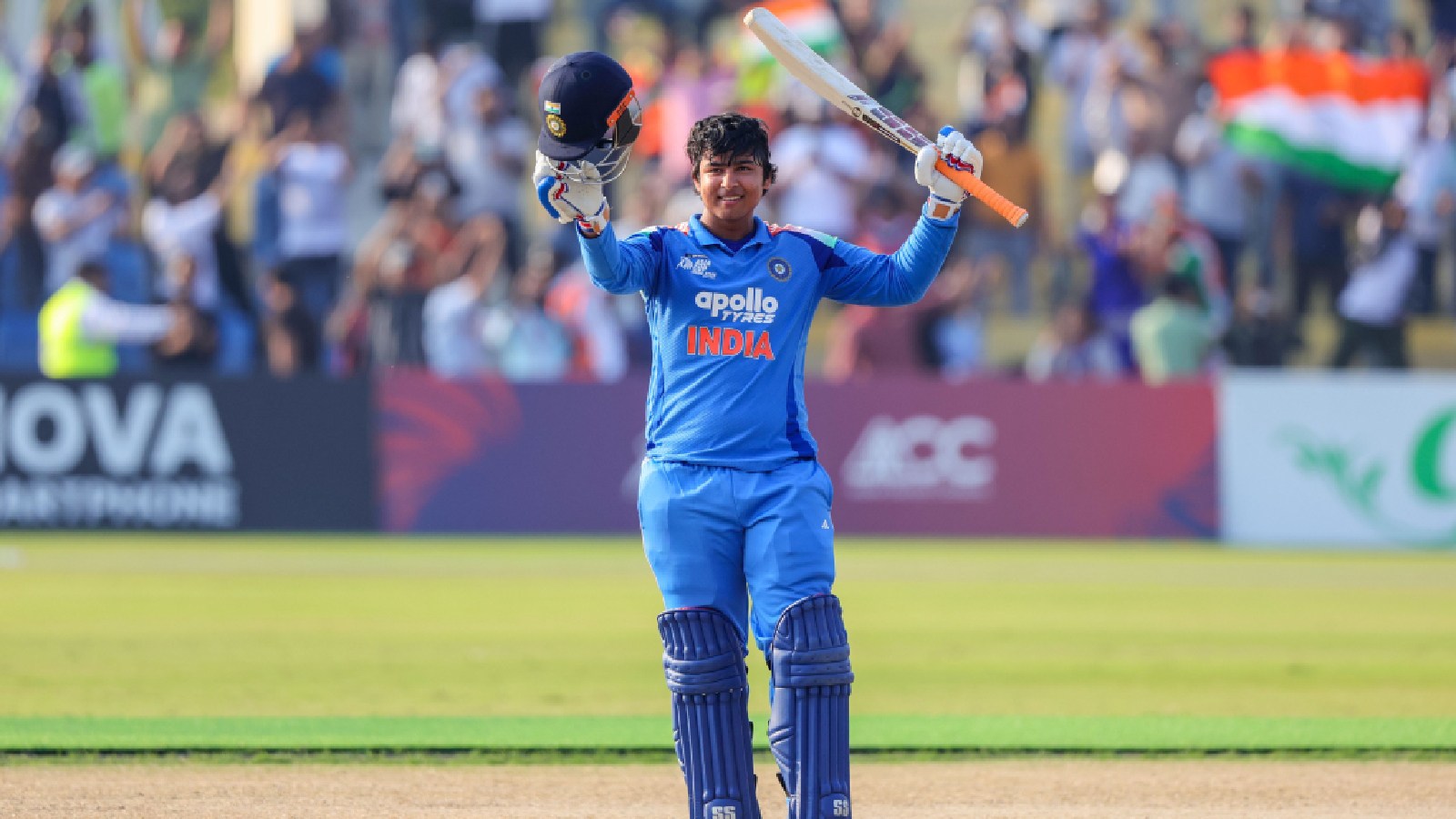
With a total of 136 runs to his name, Rahul exited the field acknowledging the crowd, and this innings will be remembered not just for the runs but for the understated elegance with which he left the ball.