Review of Bhogi
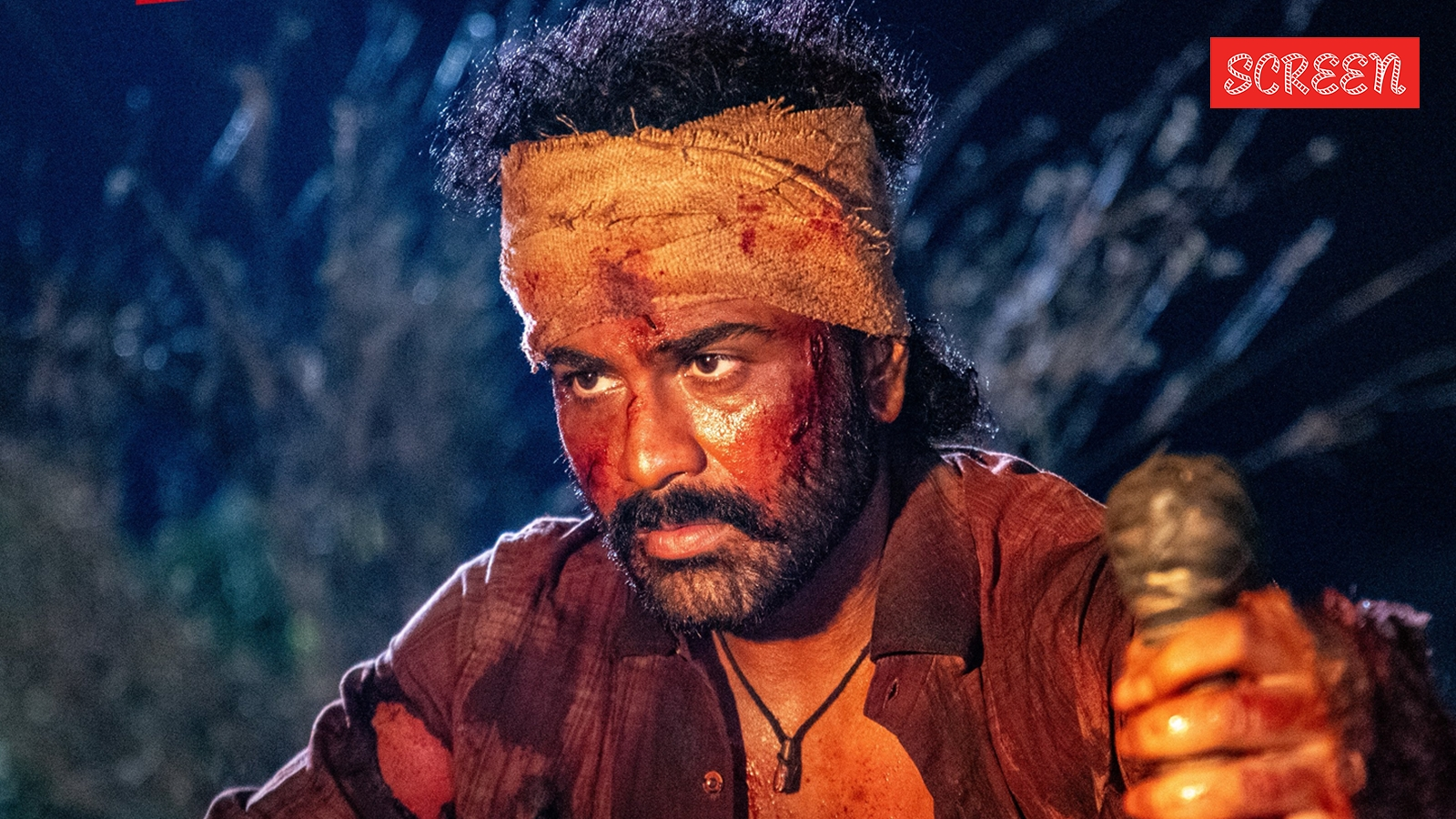
Bhogi is a loud and directionless exercise in rural violence that wastes Sharwanand’s committed performance. Every year, Telugu cinema picks a wound from India’s past, dresses it up in period costumes, pours blood on it, and calls it cinema. This time, the focus is the Patel-Patwari feudal system in 1960s Adilabad. However, the gap between depicting violence and understanding it distinguishes a good film from a bad one.
Plot Overview
Set in a fictional village called Boggulakunta on the Telangana-Maharashtra border in 1962, the story follows the impact of the Patel-Patwari feudal system. The village is dominated by a powerful landlord, with Ganga, played by Sharwanand, trying to protect his younger sisters amidst mysterious disappearances of young women after every new moon night.
Performance Review
Sharwanand delivers a genuine performance, showcasing his physical transformation and convincing use of the Telangana dialect. His energy in action scenes is palpable, and in the emotional moments with his on-screen sisters, he shows potential for a meaningful portrayal. Yet, it is frustrating that his effort is in a film that lacks substance. Anupama Parameswaran and Dimple Hayathi are present but have been given minimal roles with no significant arcs, making their presence feel unnecessary.
Sharath Lohitashwa plays the antagonist but is confined to a template that fails to evolve beyond the oppressor seen repeatedly in recent Telugu cinema.
Issues with the Film
The screenplay constitutes the film’s greatest failure. The first half drags on, lacking investment in character development, while the second half becomes a chaotic display of violence devoid of emotional engagement. As the bloodshed escalates, it overshadows any storyline significance, diminishing drama’s impact. The background score by Bheems Ceciroleo adds to the chaos with its overwhelming volume, drowning out the performances and leaving little room for nuance.
The inconsistent pacing further confuses the narrative. Scenes feel abrupt and disjointed, losing coherence and character motivations midway. This disrupts the audience’s ability to keep track of the story’s purpose.
Production Aspects
Despite its narrative shortcomings, the production design by Kiran Kumar Manne effectively recreates the essence of 1960s Adilabad, lending visual texture to the film. Cinematography by Kishore Kumar A captures the landscape, while the action choreography by Dilip Subbarayan shines in isolated sequences, even as the overwhelming violence dulls its impact.
Ultimately, Bhogi is a disappointing film that squanders Sharwanand’s talent on a screenplay devoid of depth. It confuses cruelty for drama and volume for emotion. While Sharwanand is the lone highlight, even his efforts aren’t enough to justify watching this film.