Ministry Blocks Streaming of ‘Jo Bachay Hain Sang Samait Lo’
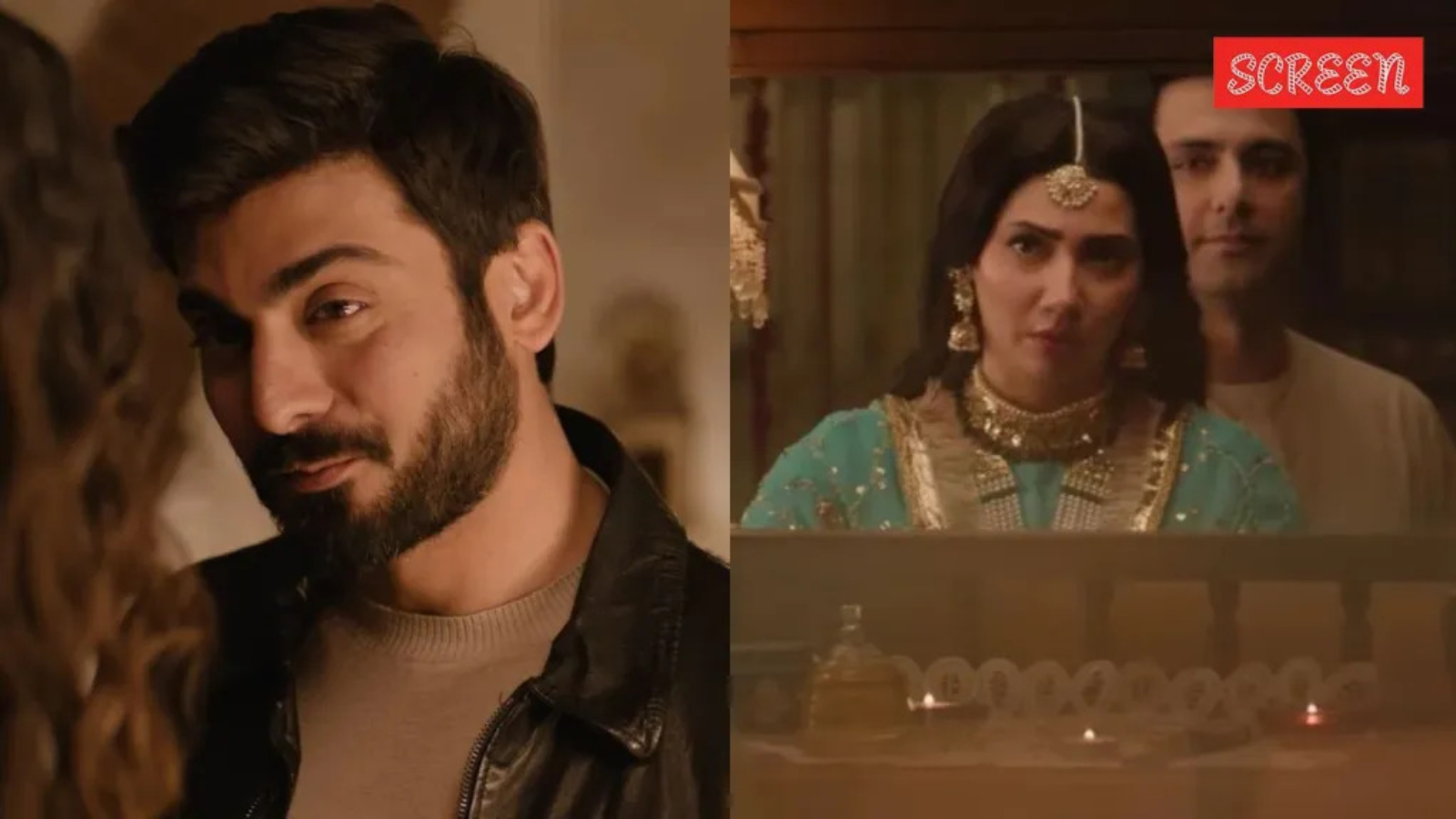
Even as the I&B Ministry blocks India’s release of Fawad Khan and Mahira Khan’s Jo Bachay Hain Sang Samait Lo, the popularity of Dar-e-Nijaat highlights the appeal of Pakistani dramas among Indian audiences.
On Thursday, the Ministry of Information and Broadcasting (I&B) directed Netflix not to stream Fawad Khan and Mahira Khan’s Jo Bachay Hain Sang Samait Lo, the platform’s first Pakistani original, in India. The decision followed several representations against its potential release in India. The series is set to premiere on December 4.
The ministry reiterated its May 8, 2025 advisory, instructing streaming platforms to discontinue Pakistani content “in the interest of national security.” Two cine workers’ bodies, the All India Cine Workers Association (AICWA) and Federation of Western India Cine Employees (FWICE), also sought a ban.
The Popularity of ‘Dar-e-Nijaat’
While the proposed release of the series has faced opposition, another Pakistani drama continues to find a devoted audience in India. Fans have organized watch parties for Dar-e-Nijaat from Delhi to Bengaluru.
Written by Umera Ahmed and directed by Saqib Khan, Dar-e-Nijaat airs on Pakistan’s ARY Digital and streams online via ARY Plus on Fridays and Saturdays at 8:00 pm. Though the broadcaster’s official YouTube channel is blocked in India, the show is accessible through some YouTube channels.
The story centers on two women whose lives resonate across generations. Zaryab, a young woman from a wealthy background, is left shaken after her boyfriend deceives her. Falling into self-doubt, her paternal grandmother arranges her marriage to Abu Bakar, a calm and considerate man. Unlike typical toxic portrayals, Abu Bakar’s mother, Khushbakht, serves as a warm, supportive figure, having endured her own trauma.
Organizing watch parties for Dar-e-Nijaat has not always been easy. Bengaluru lost two events this week due to social media objections, as police stated the organizers had not sought permission. The Bloom Society Club, which called off its November 28 screening, explained, “After careful consideration, we’ve decided not to proceed with hosting or promoting Pakistani television serial screenings as an event.”
A Screening for the Fans
In Delhi, persistent requests from fans led to a successful watch party. Abu Sufiyan, founder of Tales of City, planned a gathering for 10-15 attendees after two months of follower requests. Initially costing Rs 861, the event unexpectedly drew 860 comments, prompting the organizers to extend the guest list to 45.
With quiz games and discussions, attendees dressed as characters from the show. A highlight of the evening occurred when director Saqib Khan joined via Zoom for a 40-minute conversation about the screenplay and character arcs before watching Episode 33 together.
Nishima Snehal, a finance professional from Ghaziabad, attended dressed as Abu Bakar. “I was the only girl dressed as Abu Bakar,” she noted. Having started to watch Pakistani dramas with Fawad Khan’s Zindagi Gulzar Hai in 2012, she relishes the genre.
For Aanchal Mehta, who runs a marketing agency, the watch party provided an opportunity to bond with like-minded fans. “I thought it’d be a good experience sitting with people in the same room who love to enjoy similar kinds of shows,” she said.
In Mumbai, Nabila Uruj hosted a watch party to connect with newcomers since moving from Bengaluru. Inspired by women in the US organizing movie gatherings, her post attracted a large response, leading to a successful event with about 30 participants. Guests enjoyed unlimited food and drinks for Rs 950 while socializing in a relaxed atmosphere.
The Pull of a Gentleman
Discussion among attendees frequently returned to Abu Bakar’s character. Fans expressed a unique admiration for his gentleness. “That is what women are drawn to,” said Nabila. For Sufiyan, his decency represents “basic humanity,” a shift from traditional aggressive male portrayals. Nishima remarked, “People are so used to seeing toxic male characters that a normal, supportive husband feels extraordinary.”
Sneha Jha, a Gurugram viewer, appreciates the show’s slow-building romance, contrasting with hasty narrative arcs in other dramas.
The women in the drama also receive equal attention. Zaryab’s mother-in-law, Khushbakht, with her history of hurt, represents a nurturing figure, rejecting generational trauma. Aanchal summarizes the broader message, stating, “The story demonstrates that regardless of your generation, everyone makes mistakes but can process their past and live a fulfilling life.”
Why Look Across the Border?
While viewers desire romance and family drama, India’s extensive television industry offers ample options. However, critiques often center on execution. Nishima, a former Bollywood enthusiast, recalls instances like Sasural Simar Ka where the storytelling lost relatability. She appreciates Pakistani dramas for their concise formats, typically within 40 episodes that provide swift resolutions.
Aanchal reflects on her grandmothers’ tales from Rawalpindi that resonate with the cultural representation found in these dramas.
As fandom thrives, including themed outfits and discussions online, Sufiyan notes increased hostility following the Delhi screening. Negative comments targeted women involved in the event, leading to protective measures. Aanchal experienced threats and abusive messages on social media, prompting her to pause her posts about dramas.
Nabila, though saddened, acknowledges the reaction to the show’s success. “It’s just a form of entertainment and nothing else.”