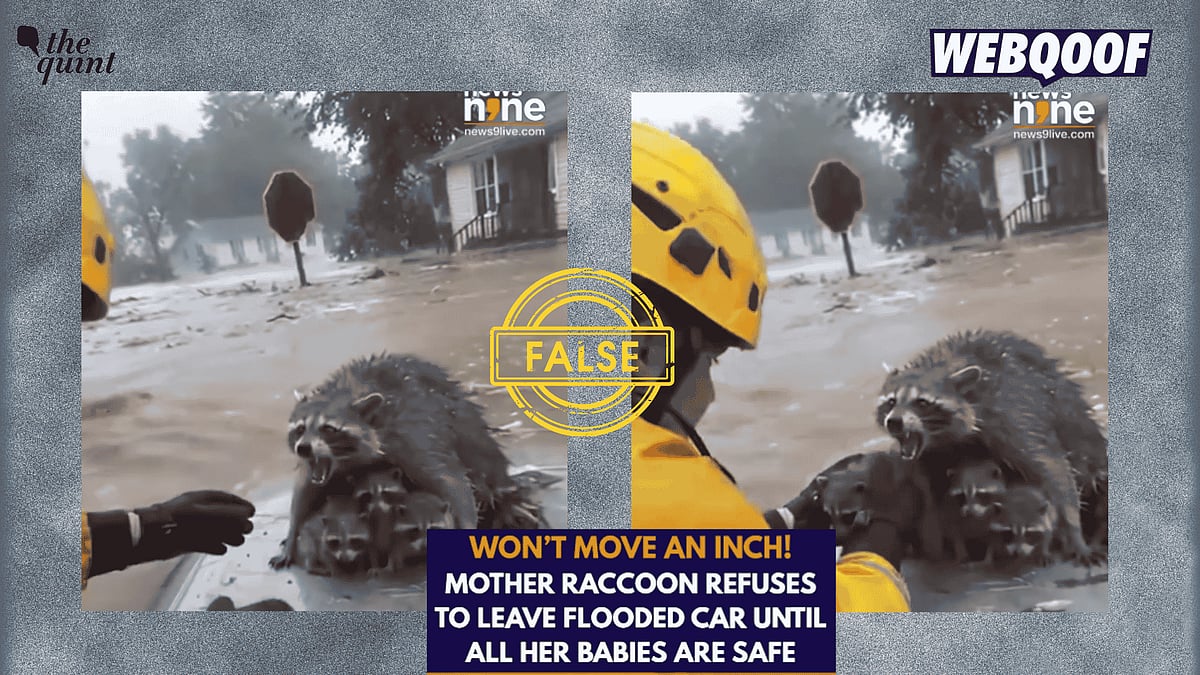
A viral video showing a mother raccoon protecting her babies is completely fake. Fact-checkers found that people created the clip using artificial intelligence tools. Millions of viewers watched the sweet scene without knowing computer software made it from scratch.
Is the viral raccoon video real or fake?
Many viewers asked if the viral raccoon video was real after it spread across social media apps. Fact-checkers at The Quint looked into the footage to see if it showed real animal behavior. They confirmed that the entire video is computer generated and does not show real wildlife.
People shared the clip because it looked like an amazing moment of animal love and courage. The scene felt warm and touched hearts, which helped it travel fast across feeds. Sadly, real nature cameras did not capture any of the action on screen.
How to spot fake AI animal videos online
Computer tools make it very easy to invent animal scenes that look real at first glance. These clips often show strange movements, fuzzy fur, or odd shadows when you slow them down. Creators design them on purpose to get likes, shares, and new followers.
Here are simple checks to help you spot generated animal footage:
- Look closely at the paws and eyes for blurry shapes or extra toes.
- Watch how the background moves when the animals walk or jump.
- Check if the animal behaves like a cartoon human instead of a wild creature.
- Wait for trusted nature groups or fact checkers before you share the post.
Why fake wildlife clips spread so fast on social media
Cute and heroic animals always win attention on the internet. When people see a mother animal defending her young, they feel strong emotions right away. They click the share button to show friends and family before checking any facts.
The apps also push high-emotion content to more screens every single minute. Videos with dramatic music and sweet stories get millions of views in just a few hours. This gives creators a big reason to keep publishing generated clips that trick the public.
What this means for viewers going forward
Fake media is moving past human faces and deepfakes of famous politicians. Everyday clips of pets, nature, and wild animals now come from simple text prompts on computers. You can no longer trust a video just because it looks filmed on a phone.
Viewers must stay alert and question what pops up on their timeline every day. Checking comments and looking for news reports can stop the spread of false posts. Taking an extra second to think protects you and your friends from sharing computer tricks.