Dropped Catches Cost India
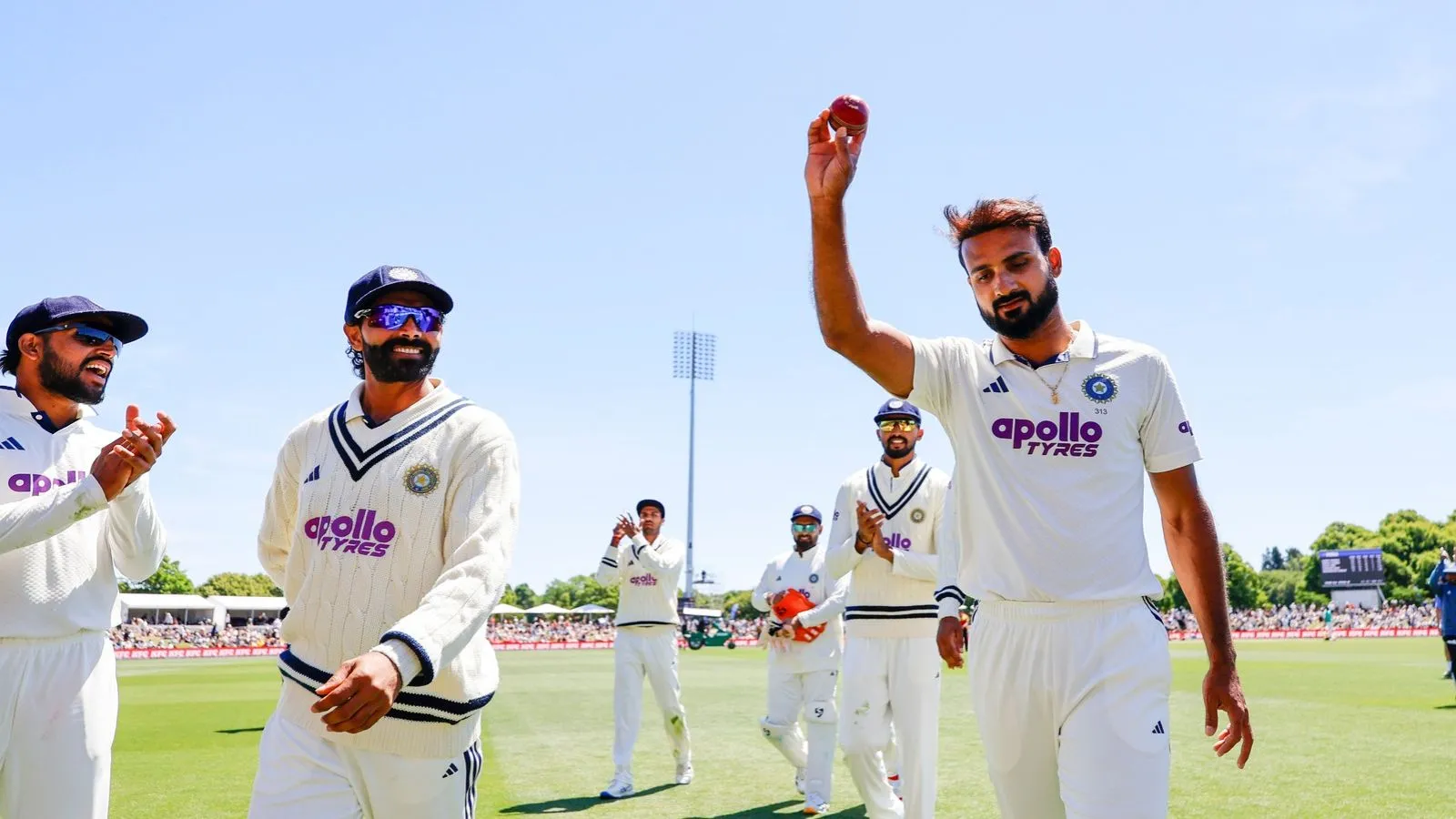
It was the moment Devdutt Padikkal felt lonely. He turned away from his colleagues, numb to even curse himself, wishing the earth would crack open and consume him. The camera shifted its eyes to Akash Deep. His eyes were hollow, expressionless. His arms were aloft, celebrating what he took to be his fifth wicket. He was certain Padikkal’s giant palms would swallow the ball that had plopped from the bat of Matt Henry. But the ball bounced out of Padikkal’s hands.
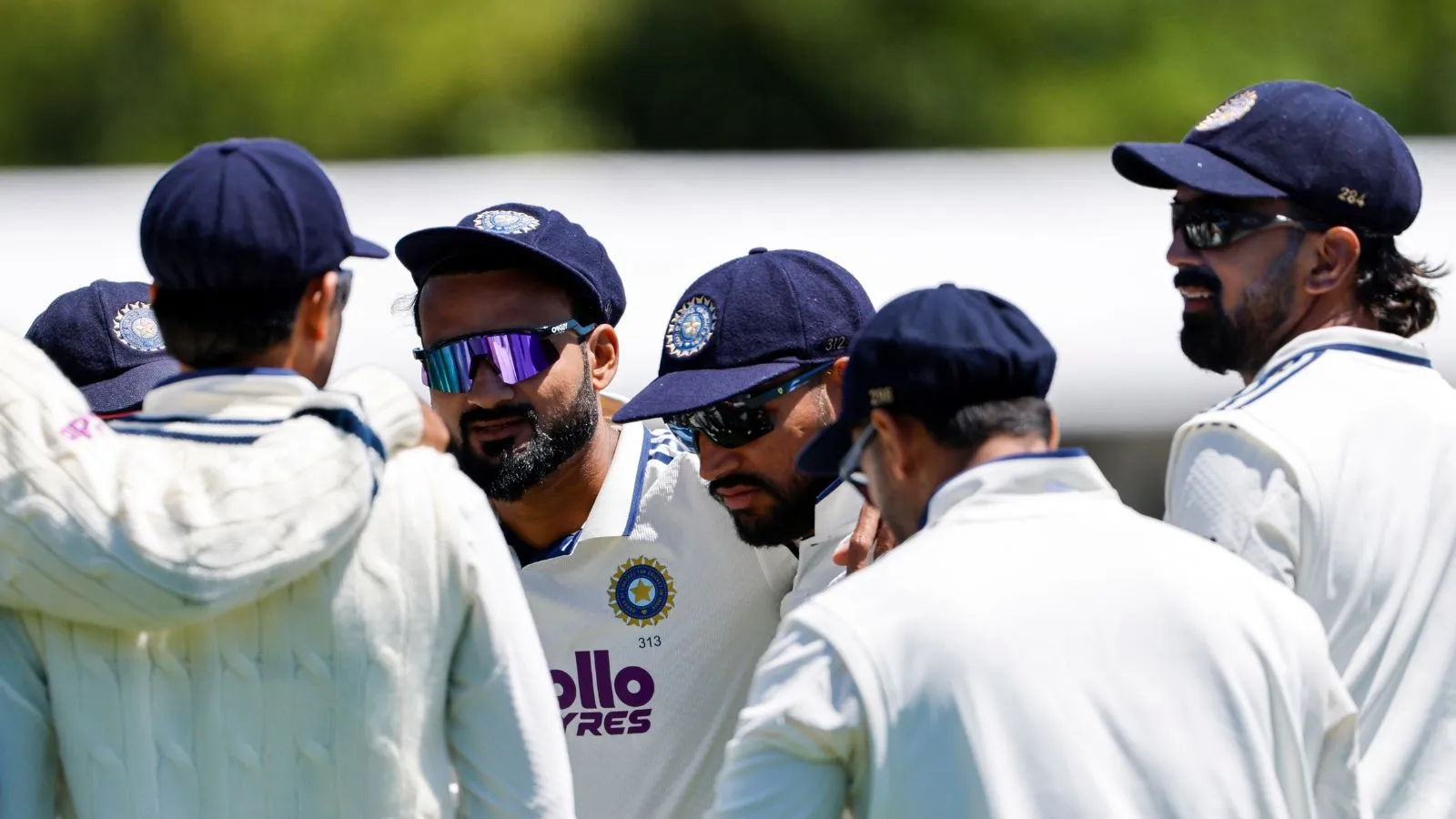
The seamer was wronged again. Padikkal was one of the two culprits. The other was Gurnoor Brar, letting the simplest of catches burst through his leaky fingers. He had kept his hands together, but when cushioning the ball, the palms fell apart. Akash took a long, deep breath of angst. Henry was the beneficiary again. The New Zealand No 10 contributed only 19 runs, typical of lower-order existence, but dropped catches cost more than mere wickets or runs. They change the mood. India went from hopeful to hopeless. Akash Deep completed his five-for, but he barely celebrated. He was tired; it was his 32nd over. So were his colleagues, in the fourth successive Test in which India had bowled 100 or more overs. A routine wave of the ball, a faint smile, and he and his colleagues staggered to the dressing room.
Bowling Performance Lags Behind
The dressing room can be a lonely place in a crisis. Players are lost in their own worlds, coping with failure in their own ways, and wondering how different the script would have been. Brar might rue not only the catch he dropped but his no-ball proneness. He infringed the line eleven times. None had resulted in a wicket, but extras piled up. Byes, leg-byes and no-balls comprised 28 runs. None of India’s six departed batsmen mustered as many. Add the missed run-outs, the catches that fell agonisingly short of the slip cordon (so often that it was clear the fielders were standing a foot further back than ideal), and the catches to which they did not react, or reacted late, and India could legitimately feel the disaster was of their own making.
Apart from Akash Deep, none of India’s bowlers could walk with their head held high. Bumrah seemed knackered, unable to summon that extra strand of explosiveness he normally brings. Anshul Kamboj exuded bark and bite in his first spell, but the subsequent bursts betrayed his unsustainability. He has promise and heart, but if only his body could bear more workload. The assessment should be stringent, but not brutal. They are still raw: Brar is on debut, and Kamboj has played only a few Tests more. Even Akash Deep, for all his domestic experience, is playing his twelfth Test.
What is worse than failing to get things right is being shown how it is done by the opponents. Given their familiarity with the conditions, they are better suited to harnessing assistance from the surface.
For example, Matt Henry pitched the ball half a metre fuller than any of the visitors’ bowlers, thus posing a more potent threat to the pads and stumps. India’s batsmen couldn’t always leave on length. Naturally, they were forced to play more often than New Zealand’s batsmen, and were hence more vulnerable to mistakes on a deck where the ball seamed throughout the day. In the subcontinent, Brar could have landed the ball seven metres from the stumps and expected it to hit them. Here the extra bounce would see it sail over. The tweaks Henry made were subtle: a little tilt of the seam, an extra few inches of length, a minor change in line, a centimetre or two this side or that. But the effects were devastating.
The strapping Jamieson, owing to his height and high release point, extracts disconcerting bounce from good lengths. Batsmen are so conscious of it that they are suspicious of driving him, even when the ball is there to be driven. They fail to get fully forward. Pushing from the crease invites hazard. Brar, two inches shorter than Jamieson, bowled considerably shorter than him. When he went short, he went too short, giving batsmen ample time to weave away or get under the ball. He can still bounce batsmen out, but the tool does not always fetch wickets. Jamieson uses the short ball sparingly, preferring hard, good lengths that make batsmen play at him. That makes him a bigger wicket-taking threat than Brar.
Their accomplices, Jacob Duffy and Nathan Smith, showed the value of a resourceful support cast. Their 20 overs cost only 50 runs; they kept a firm lid on scoring, sustaining the pressure the front-liners had piled on. By contrast, a boundary ball was never too far away when India bowled in the morning session. Not all the blame should be thrust on the bowlers. The batting was spineless. But the bowlers could feel their guilt more keenly in these conditions.
It is perhaps too late for corrections. By the time they bowl next, the game could be too far from their grasp to be salvaged. Or gone altogether.