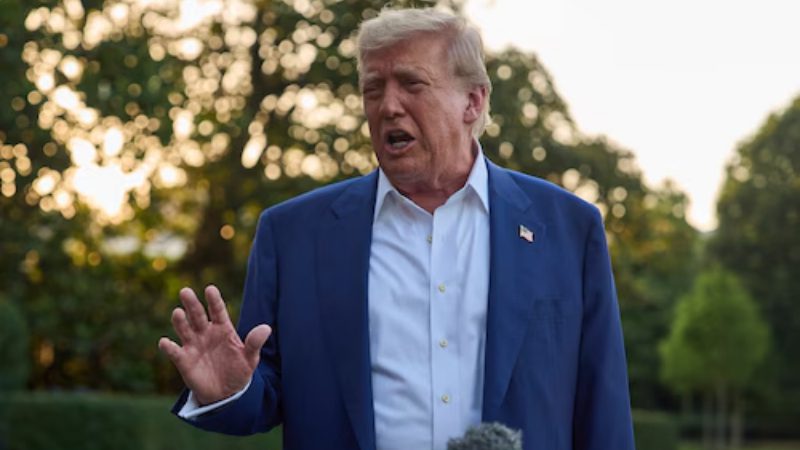
U.S. President Donald Trump has surprised Indian tech workers by increasing the H-1B visa fee to $100,000 (about 88 lakhs). This raises questions about the previous fee structure and whether this decision will benefit India.
Previous Fees:
Previously, companies paid between $1,700 (1.49 lakhs) and $8,000 (7.04 lakhs) for H-1B visas. The fee varied based on the company’s size, processing speed, and visa type.
To clarify:
1.) This fee is NOT annual; it’s a one-time fee specific to the petition.
2.) Current H-1B visa holders outside the country will NOT need to pay $100,000 to return.
Visa holders can exit and re-enter the…
— Karoline Leavitt (@PressSec) September 20, 2025
India Leads:
Among the 399,395 H-1B visas approved in 2024 (as recorded by the U.S. Citizenship and Immigration Services), 71% were awarded to Indian applicants, while China followed with 11.7%. According to the U.S. State Department’s Bureau of Consular Affairs, from 1997 to 2024, 4.1 million H-1B visa holders received U.S. citizenship, with 2.5 million, or 60%, being Indian. China had a 9% share, coming in second, with the United Kingdom taking third place.
Impact on India:
Holding an H-1B visa does not grant U.S. citizenship; it’s a permit to work for companies in the U.S. To obtain permanent residency, one must secure a Green Card. H-1B visa holders might pursue a Green Card but must reside in the U.S. for an extended period (at least 30 months within five years) and meet good moral character standards. Passing both an English test and the U.S. citizenship test is required for the final Green Card approval.
Why This Decision Now?
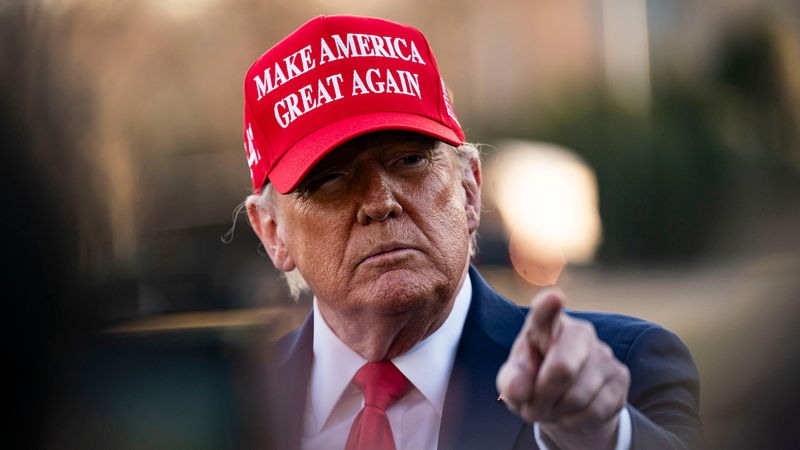
During his campaign, Trump initiated the MAGA (Make America Great Again) movement, claiming that immigrants were taking jobs from Americans and promised to impose strict immigration rules if elected. This decision on the H-1B visa is part of that initiative.
Benefit for India?
Current visa holders won’t be affected by this rule change. Future applicants, however, will face these new regulations, making it more challenging for those who aspire to obtain H-1B visas. While U.S. companies previously benefited significantly from H-1B visas, the decision might prompt Indian talent to foster companies within India instead, which could potentially support the country’s growth in the future.